







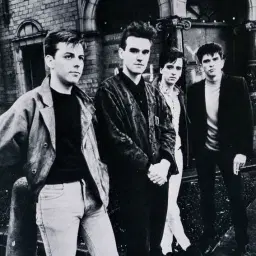



Post-Punk
Post-punk emerged in the late 1970s as a more experimental and introspective offshoot of punk rock, pushing beyond its raw aggression into diverse sonic territories. Musically, it's characterized by a greater emphasis on atmospheric textures, often incorporating angular and jagged guitar riffs, prominent and often melodic basslines, and a wider range of rhythmic experimentation, including more complex drum patterns and even electronic elements. Lyrically, post-punk tends to be more intellectual, exploring themes of alienation, social commentary, and existentialism with a pronounced sense of anxiety or unease. Pioneers like Joy Division, Siouxsie and the Banshees, The Cure, and Public Image Ltd. demonstrated this evolution, moving from punk's direct fury to a more nuanced, often darker, and artfully constructed sound that laid the groundwork for countless alternative and independent music movements that followed. Its distinctiveness lies in its embrace of intellectual depth, sonic experimentation, and a departure from the straightforward rock structures of its predecessor.